If you are thinking about selling in Greenwood Village, you are stepping into a market where details matter. Buyers here are often looking beyond square footage alone and paying close attention to condition, location within the city, and overall lifestyle fit. The good news is that with the right plan, you can position your home to stand out, attract serious interest, and move forward with confidence. Let’s dive in.
Know Your Greenwood Village Submarket
One of the biggest mistakes a seller can make is treating Greenwood Village like a single, uniform market. It is not. The city’s planning framework identifies seven main residential areas, including West End, Rural Homestead, Preserve, Greenwood Hills, Sundance/Orchard Hills, Cherry Creek, and Cottonwood Grove.
That matters because buyer expectations can shift a lot from one area to another. A condo-style property, a traditional single-family home, and a luxury estate may all sit within Greenwood Village, but they do not compete for the same buyers or follow the same pricing logic. Your sale strategy should match your specific submarket, not just the city name on your address.
Current pricing snapshots show how wide the spread can be. Realtor.com data lists areas such as The Corridor around $604,500, Landmark Towers Condominiums around $1,150,000, Sundance Orchard Hills around $1,500,000, and Preserve around $3,150,000. That range is a strong reminder that micro-location, lot size, finish level, and property type all shape value.
Why Citywide Averages Can Mislead
At first glance, Greenwood Village looks like a very strong premium market. Redfin’s May 2026 snapshot showed a median sale price of $1,582,553 and 17 days on market, while Realtor.com’s April 2026 snapshot showed a median listing price of $1,699,500, median sold price of $1,450,000, 78 active listings, and 40 days on market.
Those figures are useful for context, but they should not be used as your pricing plan. Different data sources track different timeframes and methods. In a city with this much variation, your best path is a strategy built around homes that closely match yours in style, condition, and location.
Build a Smart Pricing Strategy
Pricing is not just about finding a number that sounds good. It is about positioning your home where the right buyers see value and feel motivated to act. In Greenwood Village, that often means balancing premium expectations with realistic neighborhood-level data.
A strong pricing strategy starts by comparing your home to recent nearby sales and active competition in your part of the city. It should also account for features that buyers may value differently, such as updated interiors, outdoor living areas, lot size, privacy, and access to trails, parks, and commuting routes. Even two homes with similar square footage can land very differently depending on those details.
Match Price to Buyer Pool
Different parts of Greenwood Village attract different search behavior. Buyers looking at condominium or corridor-style living may be comparing monthly costs, lock-and-leave convenience, and building amenities. Buyers shopping estate properties may focus more on lot setting, finish level, privacy, and presentation.
That means your price should speak to the buyer most likely to purchase your home. When pricing is too broad or too generic, you risk missing the audience that would otherwise see your property as a strong fit.
Prepare for Today’s Buyer Expectations
In a premium market, buyers often expect a home to feel polished from the start. Zillow’s 2026 research found that turnkey homes sold for 2.9% more than expected, while fixer-uppers sold for 14% less. That gap is meaningful, especially when you are aiming for top-tier results.
You do not always need a full renovation to improve your position. Often, the most effective moves are the ones that make your home feel well cared for, current, and easy to imagine living in. Clean finishes, fresh paint, repaired surfaces, and orderly spaces can go a long way.
Focus on High-Impact Prep
Before listing, it helps to think like a buyer seeing the home for the first time. Ask whether the property feels move-in ready, visually calm, and easy to understand. In many cases, the best pre-listing work includes:
- Deep cleaning
- Decluttering and organizing
- Interior painting where needed
- Carpet cleaning or replacement
- Floor repair
- Minor cosmetic updates
- Landscaping touch-ups
- HVAC or roofing repairs if needed
For sellers who want help managing that process, Compass Concierge can cover a range of pre-sale improvements, including staging, cleaning, cosmetic updates, landscaping, painting, repairs, and moving or storage services, with payment due based on program terms.
Invest in Presentation Before Launch
Once your home is ready, how it is presented becomes a major part of the strategy. Buyers often decide whether to visit a home based on its first digital impression. In a market like Greenwood Village, strong visuals can support both pricing power and speed.
Zillow’s 2026 research says listings with high-resolution photography, virtual tours, and interactive floor plans tend to sell faster and for more money. That supports a polished launch rather than a rushed one. If your home has strong architecture, outdoor living, or a great layout, your marketing should make those features easy to see.
Staging Helps Buyers Picture the Home
Staging can also play a big role. According to NAR’s 2025 staging report, 83% of buyers’ agents said staging made it easier for buyers to visualize a property as their future home. The most commonly staged spaces were the living room, primary bedroom, dining room, kitchen, and outdoor or yard space.
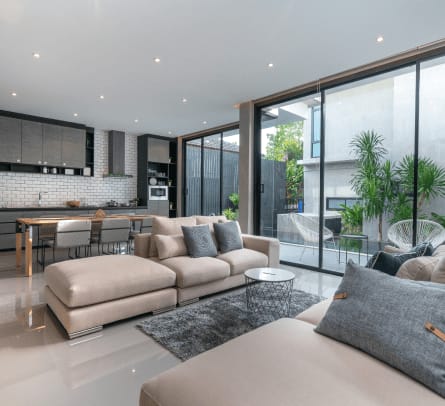
For Greenwood Village sellers, staging is often most effective when it creates a clean, neutral, highly livable feel. Buyers may respond well to spaces that feel bright, finished, and easy to settle into. Outdoor areas matter too, especially in a city known for trails, parks, and recreation access.
Sell the Lifestyle, Not Just the House
Greenwood Village offers more than homes. The city maintains about 40 miles of trails, including 5.47 miles of the High Line Canal Trail, along with access to the Cherry Creek Trail, Marjorie Perry Nature Preserve, Westlands Park, Silo Park, and equestrian amenities.
That lifestyle context can strengthen your marketing story. If your home offers convenient access to outdoor recreation, a practical commute, or a strong indoor-outdoor setup, those points may resonate with buyers. The goal is to present the property as part of a daily life that feels smooth, enjoyable, and well-connected.
Use Neutral, Useful Location Details
It is also smart to keep neighborhood and community details factual and clear. Greenwood Village notes that residents are served by Littleton Public Schools and Cherry Creek School District. Buyers often care about school fit, commute convenience, and nearby amenities, so those are useful points to include in a neutral way.
The most effective marketing does not rely on hype. It gives buyers a realistic sense of how the home lives, where it sits within the city, and what practical benefits come with that location.
Consider a Phased Marketing Approach
Some sellers benefit from a quieter start before going fully public. Compass describes a three-phase approach that can include Private Exclusive, Coming Soon, and then Public marketing. The idea is to test pricing, gather feedback, and build anticipation before the broader launch.
This can be especially helpful if you want to refine positioning or maintain a greater degree of privacy early on. Compass also notes that pre-marketed listings were associated with a 2.9% higher closing price, 20% faster time to contract, and 30% fewer price drops, based on its internal materials.
When Privacy Matters
Private Exclusive may be especially relevant if discretion is important to you. Compass says photos and floor plans can be shared within its agent network before a public launch. For some sellers, that creates an opportunity to gather early interest while limiting wider exposure at the start.
This kind of phased rollout is not right for every property, but in the right situation, it can support a more strategic launch and help you avoid going live before the home is fully prepared.
Get Your Colorado Paperwork Ready Early
A smooth sale is not just about marketing. It is also about being organized before offers start coming in. In Colorado, the process has state-specific rules that make early preparation especially important.
The Colorado Department of Regulatory Agencies says offers for real estate must be in writing, and brokers must use Colorado Real Estate Commission-approved forms unless the contract is drawn by the seller, buyer, or an attorney. DORA also says a seller-side broker must present all offers to the seller in a timely manner. That means good communication and quick decision-making matter once your home is on the market.
Prepare Your Disclosure File
Colorado’s current Seller’s Property Disclosure form asks about known conditions involving the building, roof, electrical systems, telecommunications, ventilation, heating, and other areas. Before listing, it is wise to gather:
- Repair records
- Permits
- Contractor invoices
- Appliance ages
- Warranty details if available
- Notes on known past or current issues
Having this information ready can save time during negotiations and help reduce surprises.
If Your Home Has an HOA
If your property is in an HOA, start early there too. DORA advises that buyers can obtain CC&Rs from the county Clerk and Recorder before closing, so it helps to have your HOA resale materials, dues history, and rules ready in advance.
This is a simple step that can prevent delays during buyer due diligence. In a market where buyers expect professionalism and clarity, strong paperwork supports confidence.
Time Your Launch With Intention
Timing can shape results, but timing alone will not make up for weak preparation. Zillow’s 2026 analysis found that homes listed in late May sold for about 1.7% more on average. While that is not Greenwood Village-specific, it does support the value of planning ahead for a polished spring launch instead of rushing to market.
If spring is your target, start preparation earlier than you think you need to. That gives you time to handle repairs, staging, photography, paperwork, and pricing without feeling pressured. A calm, organized launch often reads better to buyers than a fast one.
A Strategic Sale Starts Before Listing Day
Selling your Greenwood Village home successfully is rarely about one single move. It is about combining smart pricing, strong preparation, polished presentation, and clear Colorado compliance into one coordinated plan. In a city with distinct submarkets and selective buyers, that kind of strategy can make a real difference.
If you want thoughtful guidance on timing, presentation, pricing, and the story your home tells in the market, Lisa Snyder offers a warm, strategic approach backed by local knowledge and Compass tools designed to support a more confident sale.
FAQs
How should you price a home in Greenwood Village?
- You should price it based on your specific submarket, property type, condition, and nearby comparable sales rather than relying on a single citywide average.
What do Greenwood Village buyers usually expect from a home listing?
- Many buyers respond best to homes that feel move-in ready, well-presented, and clearly connected to practical lifestyle benefits like outdoor access, commute convenience, and polished living spaces.
Does staging help when selling a Greenwood Village home?
- Yes. Research cited in this guide shows staging helps buyers visualize the home and may support stronger offers and less time on market.
What paperwork should you gather before selling a home in Colorado?
- You should gather repair records, permits, contractor documentation, appliance ages, and other details that help you complete the Colorado Seller’s Property Disclosure accurately.
Should you prepare HOA documents before listing a Greenwood Village property?
- Yes. If your home is in an HOA, having resale documents, dues history, and rules ready early can help prevent delays during buyer due diligence.
Is spring a good time to list a Greenwood Village home?
- Spring can be a strong time to launch, especially if your home is fully prepared, professionally presented, and brought to market with a clear pricing strategy.